
August is National Wellness Month. In the Triangle, that means one thing before it means anything else: staying cool.
National Wellness Month was created to move wellness out of the category of occasional indulgence and into the category of daily practice. It is a reframing we appreciate, because it is very close to how we think about building. Wellness is not a feature you add at the end. It is a series of decisions made early, quietly, and correctly.
In August, in North Carolina, wellness has a specific shape. It is a cold bottle of water handed to a framer at ten in the morning. It is a shaded porch where the afternoon sun cannot reach. It is the difference between a house that holds heat and a house that lets you forget the heat exists.
This year, we want to talk about both: the people who build in the heat, and the homes we design to answer it.
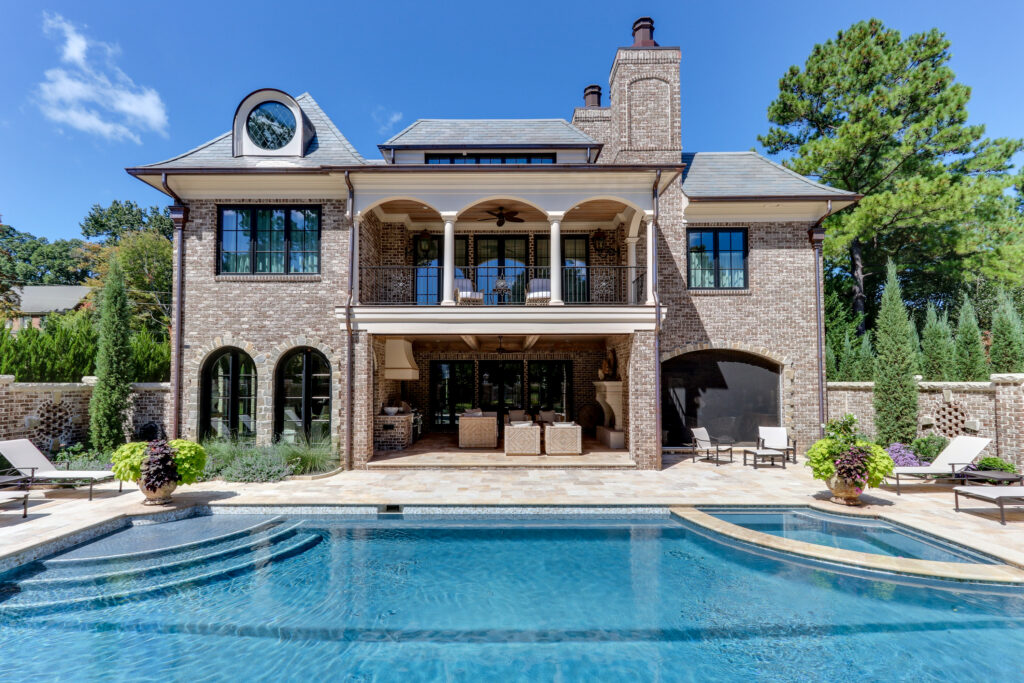
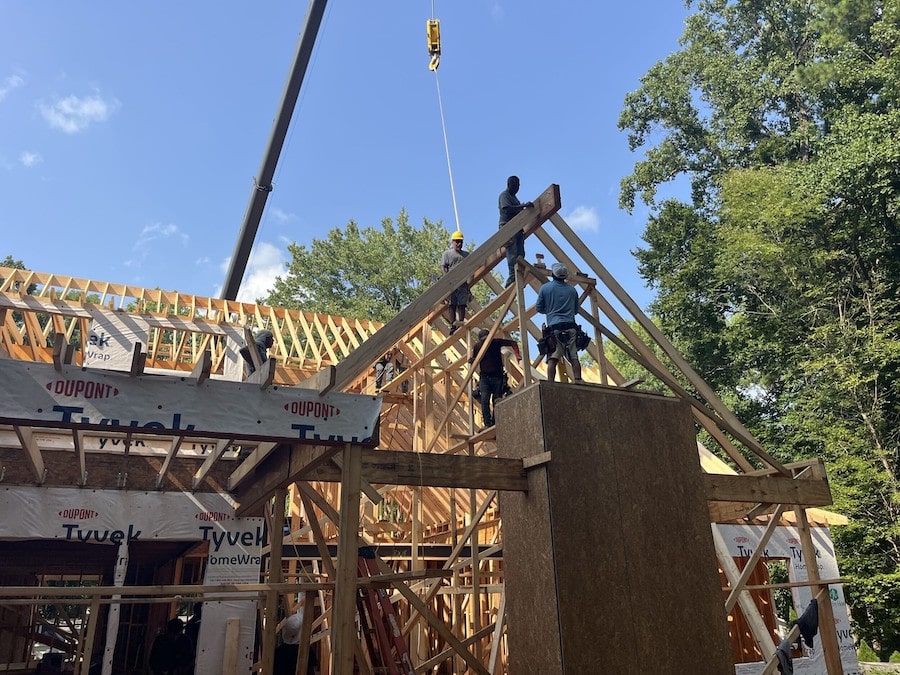
Long before a family cools off in a new pool, a crew is out there in July and August pouring footings, setting trusses, running conduit, and hanging siding in full sun. Our subcontractors and trade partners are the reason a Rufty home exists. Many of them have worked alongside us for decades. Their safety in the summer months is not a compliance item on a checklist. It is a matter of respect.
The numbers deserve to be said plainly. Heat exposure remains a leading cause of weather-related workplace deaths in the United States. In 2024, 48 workers died from environmental heat exposure on the job. Thousands more suffered heat-related illness serious enough to keep them off the job or restrict what they could do. Construction sits squarely in the highest-risk category.
The rules are still catching up. A proposed federal heat standard has been in the works since 2024 and has not yet been finalized. What has changed is enforcement: this spring, OSHA replaced its expiring heat emphasis program with a broader one that runs through 2031 and specifically targets construction among the industries it inspects most closely.
Our view is simple. The regulation may still be pending. The obligation never was.
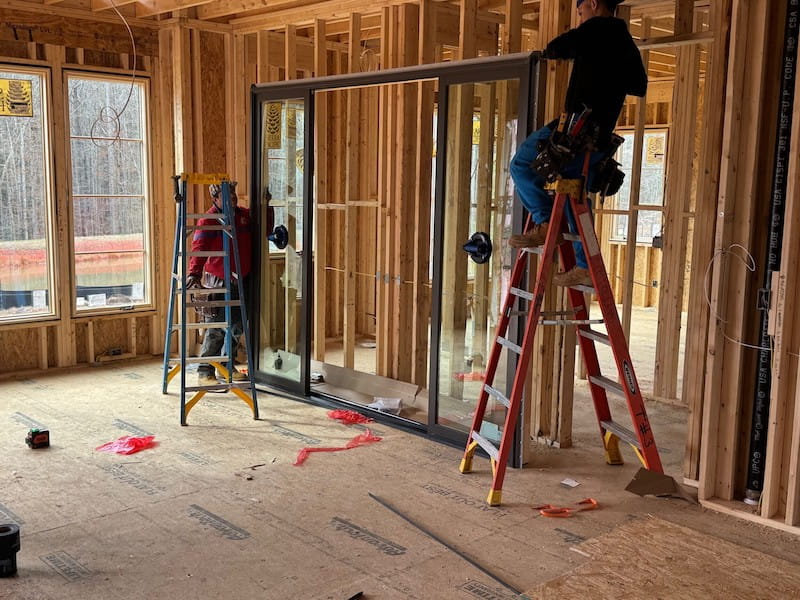
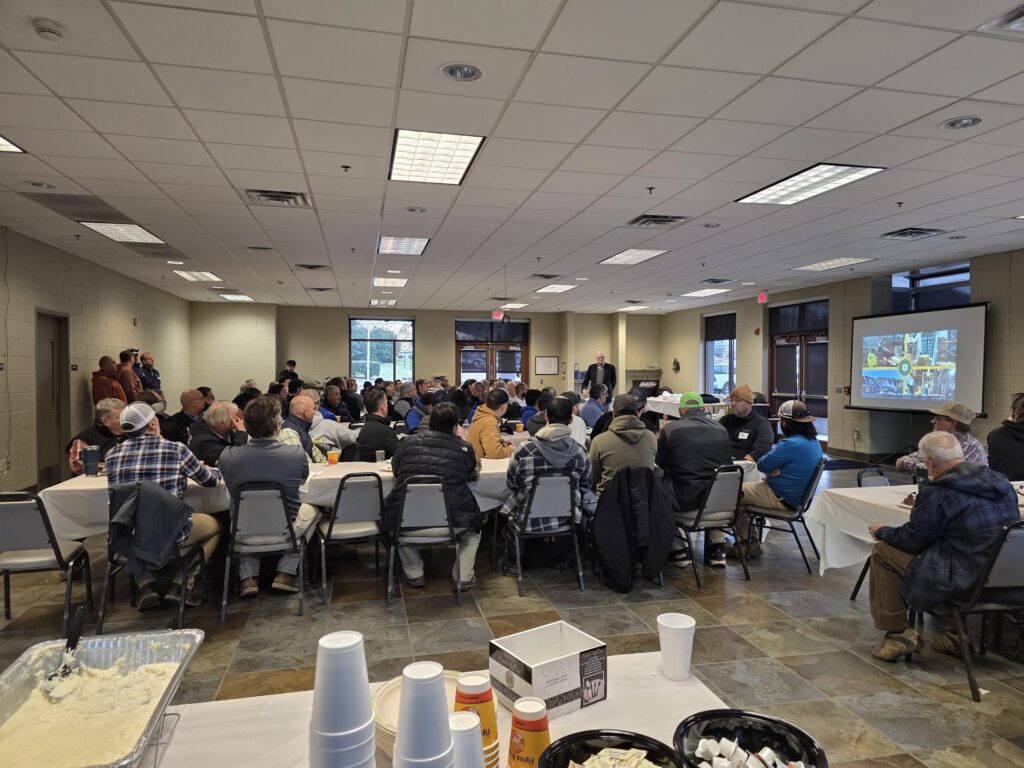
Water, rest, and shade, without asking. These three are the foundation, and they should never require a request. Cold water within easy reach of the work. A shaded cooling area that is genuinely shaded, not a truck bed under a pine tree. Rest breaks that are scheduled rather than earned.
Acclimatization for anyone new. This is the most overlooked safeguard on any site. The body needs time to adapt to working in heat, and the guidance from CDC and NIOSH is to build that exposure gradually over 7 to 14 days. A brand new worker should log no more than about 20 percent of a full shift's heat exposure on day one, increasing by no more than 20 percent each day after. An experienced worker returning from time away needs a shorter ramp, but still needs one. Most heat tragedies happen in a worker's first days on a job.
Working with the sun, not against it. Heavy exertion belongs in the morning. Excavation, framing, roofing, and concrete work should be front-loaded whenever the schedule allows, with finishing and interior tasks saved for the worst hours of the afternoon.
Watching out for each other. Buddy checks cost nothing and catch what a person cannot catch in themselves. Confusion, dizziness, headache, nausea, cramping, and unusually heavy sweating are all warning signs. And the one that surprises people most: if a worker in the heat stops sweating, that is not relief. That is an emergency. Call 911.
A culture where speaking up is expected. The most dangerous thing on a hot job site is a worker who feels they should push through. Reporting symptoms early has to be treated as the professional thing to do, not as weakness. That message has to come from the top, and it has to be said out loud, repeatedly, all summer long.
To every trade partner working through a Carolina August on our behalf: thank you. We see it. Please drink the water, take the break, and tell someone if something feels wrong.

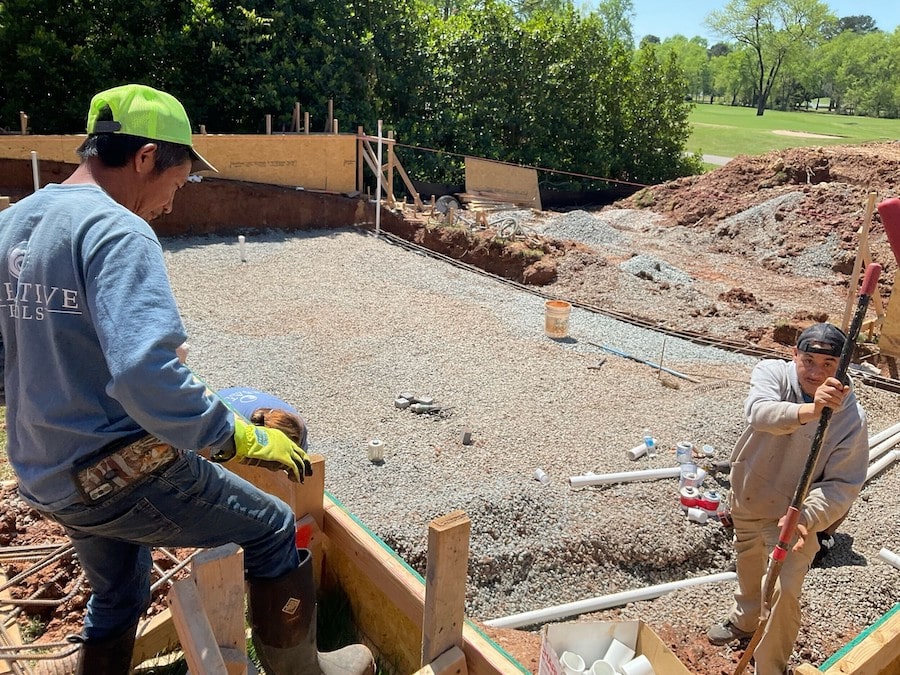
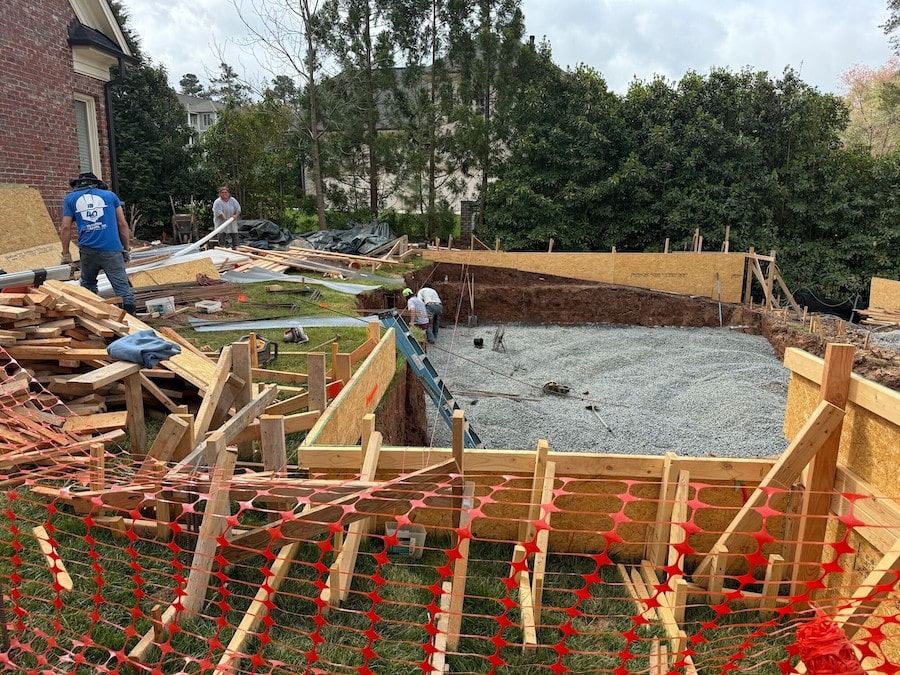
The same heat that tests a crew in August shapes how a home should live in August. And this is where the custom process earns its keep, because comfort in a Southern summer is not something you buy. It is something you design.
The least glamorous wellness feature in any home is the one that matters most: how well the house is built.
Rufty Homes built North Carolina's first HealthyHouse™ in 1994, in partnership with the American Lung Association and the National Association of Home Builders Research Center, along with the state's first EnergyStar home. That work was about air, moisture, and thermal performance long before "wellness home" was a phrase anyone used in a listing.
A tight envelope, thoughtful insulation, properly sized HVAC, dedicated dehumidification, and true whole-house ventilation are what make a home feel cool and dry in a Carolina August rather than merely cold and clammy. Humidity is the Triangle's real adversary. Solve for humidity and you have solved for most of summer.
Before mechanical cooling, there was orientation. Deep roof overhangs. Covered porches on the west elevation. Trees left standing where a lesser plan would have cleared them. Windows placed to catch a cross breeze and to refuse the late afternoon sun.
We still design this way, because passive shade works every day of the year and never sends a utility bill.
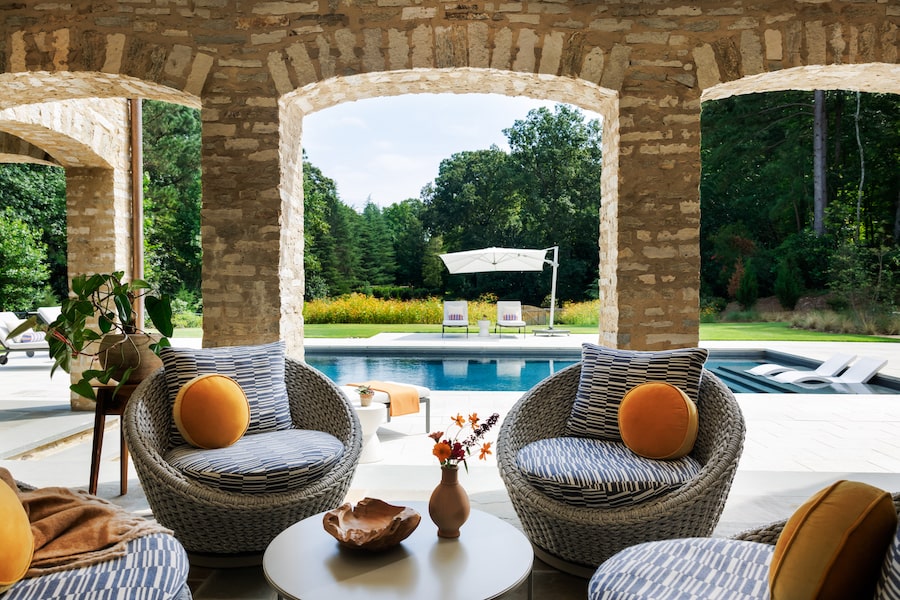
A covered patio or screened porch is the single highest-return outdoor investment in this climate. Add ceiling fans, retractable screens, and a fireplace, and it becomes a room you use from March to November instead of a slab you look at from June to September.
Pair it with an outdoor kitchen and you have moved the heat of cooking out of the house entirely, which is its own kind of cooling strategy.
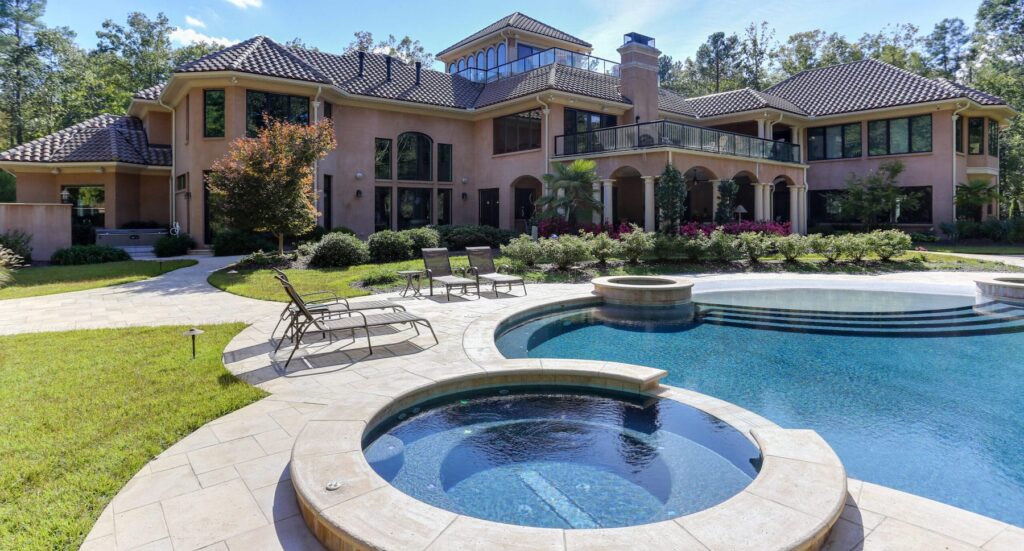
A custom pool is the obvious answer to August, but the design decisions around it are what separate a pool you love from a pool you maintain. Cool-touch decking that does not scald bare feet. A pergola, cabana, or shade sail that makes the pool deck usable at 3 p.m. A lap lane if swimming is part of how you stay well. A tanning ledge for the youngest members of the household.
A custom spa extends the season and the purpose. Increasingly, our clients are asking for the full contrast experience: a spa, a cold plunge, and a sauna, arranged as a considered wellness sequence rather than three separate purchases. Recovery has become a legitimate design brief.
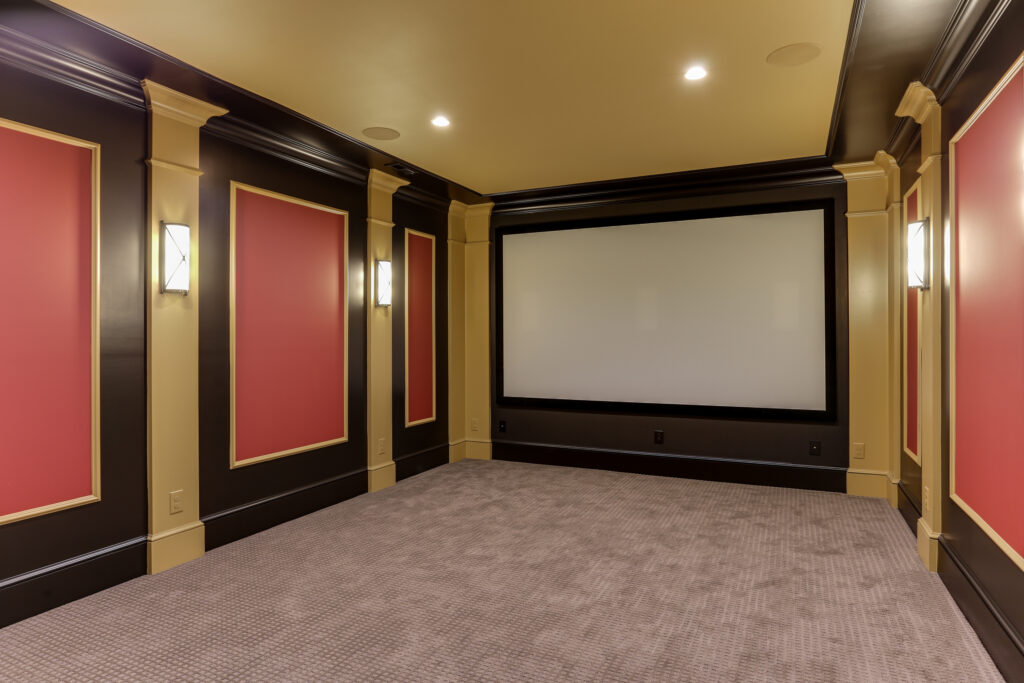
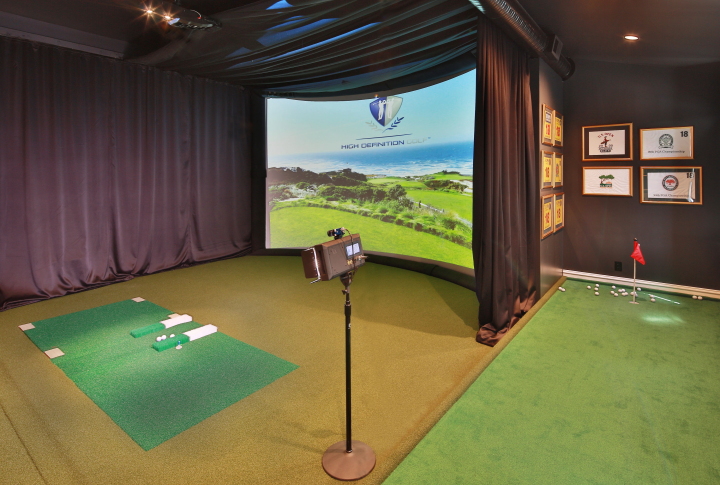
The indoor golf simulator has quietly become one of the most requested spaces in Triangle luxury homes, and August explains why. It is a way to practice, play, and compete in air conditioning, in any weather, at any hour. Designed properly, with the right ceiling height, sound treatment, and lighting, it doubles as a media room and a family gathering space.
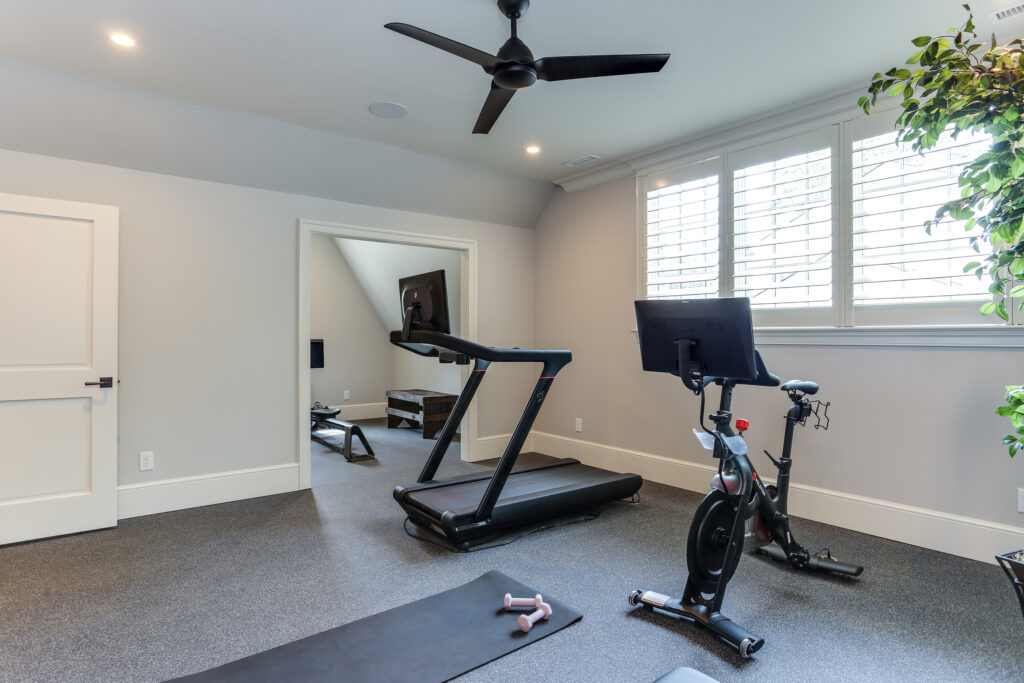
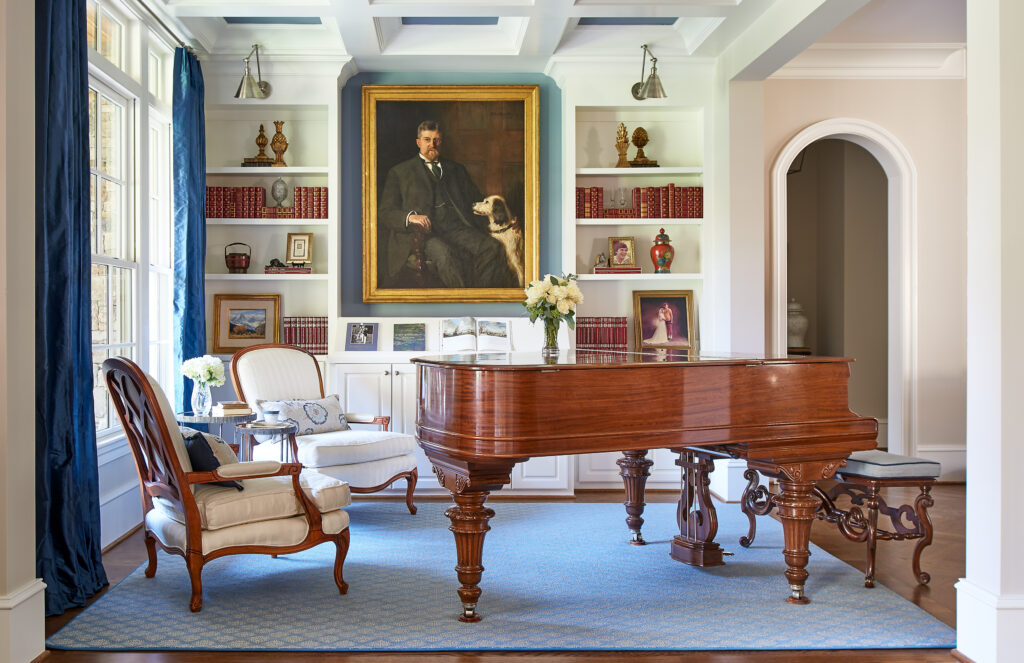
The same logic applies to a home fitness studio, a yoga or meditation room, a steam shower, or a spa-caliber primary bath. In a month when going outside at noon is a poor idea, the wellness routine has to live indoors. It should live somewhere beautiful.
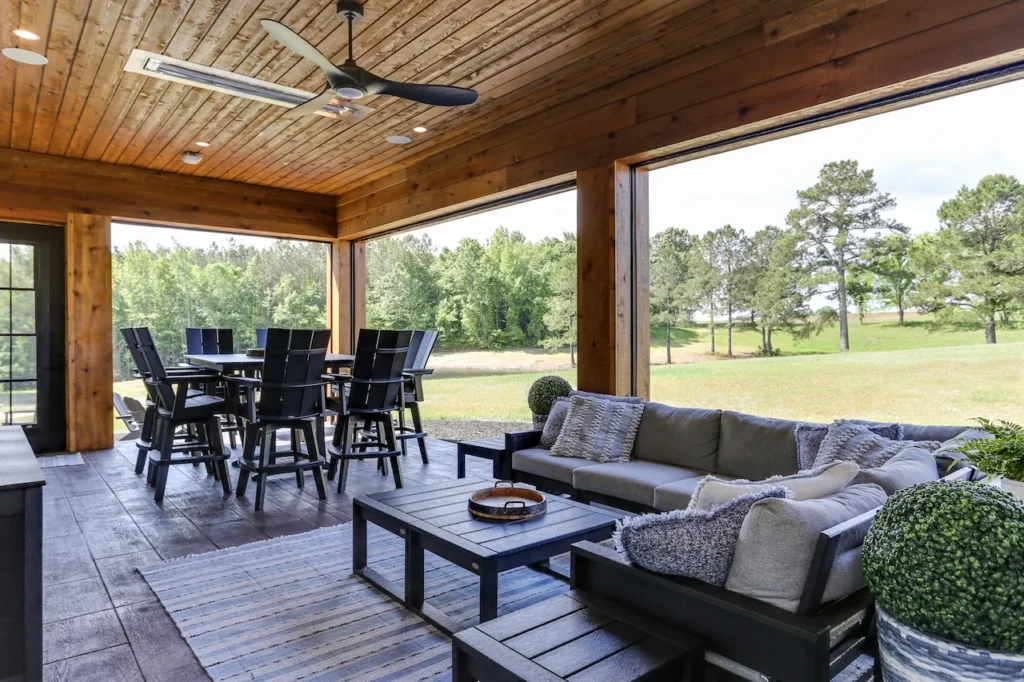
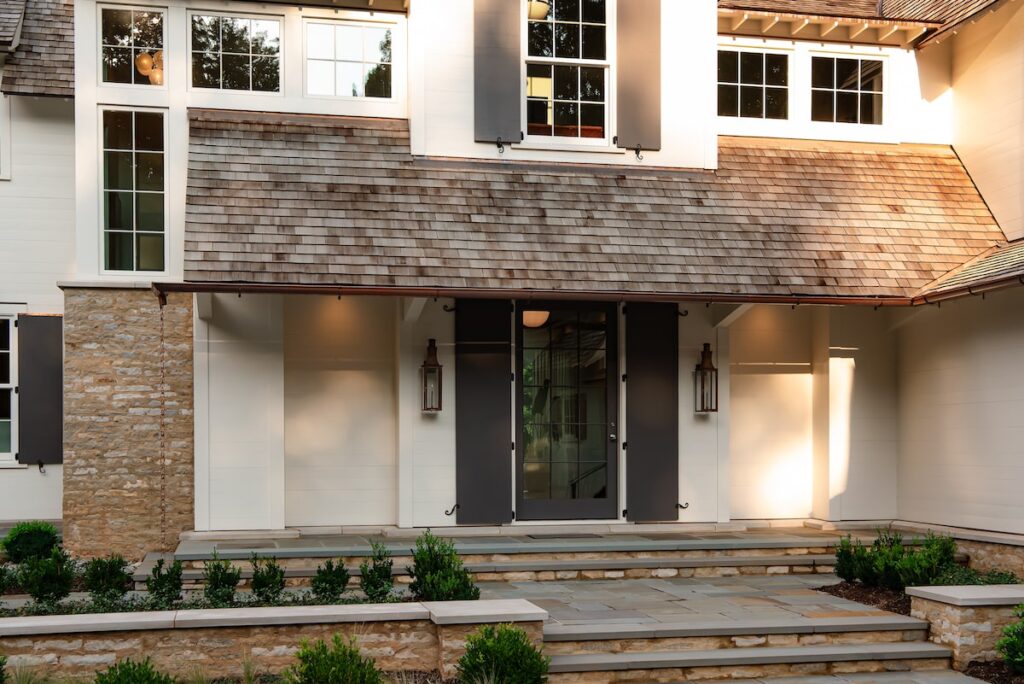

There is a symmetry here that we think about often.
A home that takes care of the people inside it begins with a job site that takes care of the people building it. Both come from the same instinct: pay attention early, spend the effort where no one will ever see it, and let the result speak quietly for decades.
That is what stewardship looks like in August.
Ready to design a home that makes summer something you look forward to? Let's talk.
Experience a thoughtfully refined approach to custom home building with a friendly team devoted to achieving your dreams. With Rufty Homes, you’re assured of a gracious, tailored home building experience defined by distinctive beauty, timeless value and pure joy.
Phone: (919) 460-8550 | 5121 Kingdom Way Ste 208, Raleigh, NC 27607 | M-F 8 AM - 4:30PM | BuilderTrend Login


